Biohazard Cleanup
Biohazard cleaning for homes, rentals, businesses and vehicles, with discreet crews and 24/7 emergency response.
Learn more →Missouri · Franklin County
Dealing with a death, a crime scene or a sewage backup in Pacific, MO? Get the biohazard cleaning done, from blood and bodily fluid removal to odor treatment and full disinfection. Call (877) 812-4220 at any hour.
If anyone is in danger, call 911 first. For a suicide crisis, call or text 988.
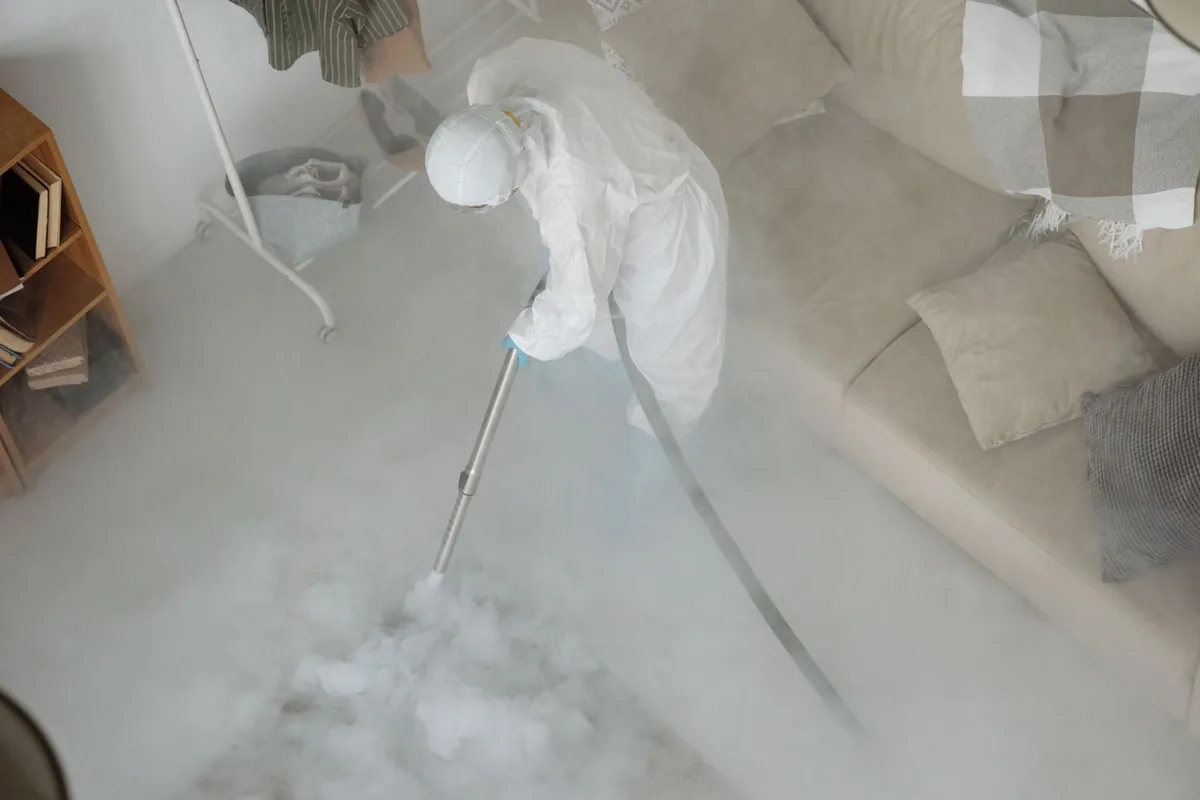
Biohazard removal means taking out the materials that carry germs and then treating what is left so the space is safe again. In Pacific, MO, property owners, landlords, families and businesses can get this work done by calling Pacific Biohazard Cleanup Help.
Families are never asked to see or touch anything. The affected area gets cleaned from start to finish, then the result is checked before the property is handed back. This work is available around the clock in Pacific, MO and across Franklin County.
The census figure for older adults living alone in Pacific is 42%, above the Missouri average. When someone lives alone, a death can go unnoticed for days, and unattended death cleanup follows. Vacancy in Franklin County is lower than the Missouri average, at 7%, so most cleanups happen in occupied homes where families want the work done privately and with care.
Blood and bodily fluids can carry bloodborne pathogens, even after they dry. That is why biohazard cleaners follow OSHA's Bloodborne Pathogens Standard, 29 CFR 1910.1030, and put on gloves, respirators, boot covers and disposable suits before they enter the affected area.
Cleaning removes soil, and disinfecting kills germs, so both steps happen. Crews use EPA-registered disinfectants and let them stay wet for the full contact time, then use air scrubbers to pull particles and odor out of the air.
Choose the situation that fits and get help with any biohazard cleaning service below, for homes, rentals, offices and vehicles in Pacific.
Biohazard cleaning for homes, rentals, businesses and vehicles, with discreet crews and 24/7 emergency response.
Learn more →Crime scene cleaners handle contaminated carpet, drywall and debris, then check the work before handing the space back.
Learn more →Discreet trauma cleaning that covers waste disposal, odor removal and records for insurers.
Learn more →Respectful biohazard cleanup for homes and rentals after an unattended death.
Learn more →Professional suicide cleaning services that spare relatives and landlords from the hardest part.
Learn more →Respectful homicide cleaning that removes blood, bodily fluids and odor after investigators release the scene.
Learn more →Blood clean up service with protective gear, EPA-registered disinfectants and sealed disposal of contaminated waste.
Learn more →Bodily fluid cleanup for blood, vomit, urine and feces, with disinfection and safe waste disposal.
Learn more →Urine and feces cleanup that removes soaked carpet, mattresses and furniture and sanitizes the affected area.
Learn more →Thorough deodorizing after a death, with the air and structure checked room by room.
Learn more →Hoarding cleanup done at the resident's pace, with valuables and papers kept safe.
Learn more →Hoarding cleanouts for estates, sales and rentals, done carefully and without judgment.
Learn more →Ammonia odor, urine and feces cleaned from floors, walls and air after animals are removed.
Learn more →Extreme cleaning for unsanitary homes, done with protective gear and without judgment.
Learn more →Category 3 cleanup with protective gear, sealed disposal and EPA-registered disinfectants.
Learn more →Biohazard decontamination after outbreaks, with protective gear, set order of work and sealed disposal of waste.
Learn more →Cleaning first, disinfecting second: a careful process that targets the germs, not only the stain.
Learn more →Safe collection of used needles, syringes and contaminated supplies, with proper containers and transport.
Learn more →Used needle removal and property sweeps for yards, rentals, vacant buildings and businesses.
Learn more →Cleanup after police release: items, residue and soiled materials handled without judgment.
Learn more →Meth house cleaning for owners, landlords and buyers, including vents, walls, floors and soft materials.
Learn more →Found unknown powder? A cleanup team contains the area, cleans surfaces and hauls waste safely.
Learn more →Spills, leaks and abandoned chemicals contained, removed and hauled away by crews in protective gear.
Learn more →Cleanup that begins once responders clear the scene, with records for insurers, owners and inspectors.
Learn more →Pepper spray cleanup that lifts oily residue from surfaces without spreading it to clean rooms.
Learn more →Safe wet-clean removal of mouse and rat droppings, nests and soiled insulation from attics and crawl spaces.
Learn more →Removal of insulation soaked with guano, plus odor treatment and sanitizing of the structure.
Learn more →Carcass cleanup of fluids and soaked insulation, carpet and drywall that cannot be saved.
Learn more →Vehicle biohazard cleanup for cars, trucks, vans and buses, with soaked upholstery removed and odor treated.
Learn more →Blood and body fluids removed and disinfected after falls, cuts, crashes and workplace injuries.
Learn more →Commercial cleaning crews disinfect offices, shops, plants and rentals after injuries, deaths and backups.
Learn more →Sorting, removal and cleaning of a loved one's home, with keepsakes set aside for the family.
Learn more →The cleanup team measures how far fluids, waste or residue spread and decides which materials can be saved. This sets the timeline and the cost range.
Plastic sheeting, floor protection and air filtration go up before anything is moved. Protective gear goes on before the crew goes in.
Porous materials are removed, surfaces are scrubbed and disinfected, and tools are cleaned between steps so germs are not carried to other rooms.
Odor is neutralized, biohazardous waste leaves under medical waste rules, and a final inspection confirms the property is safe to use again.
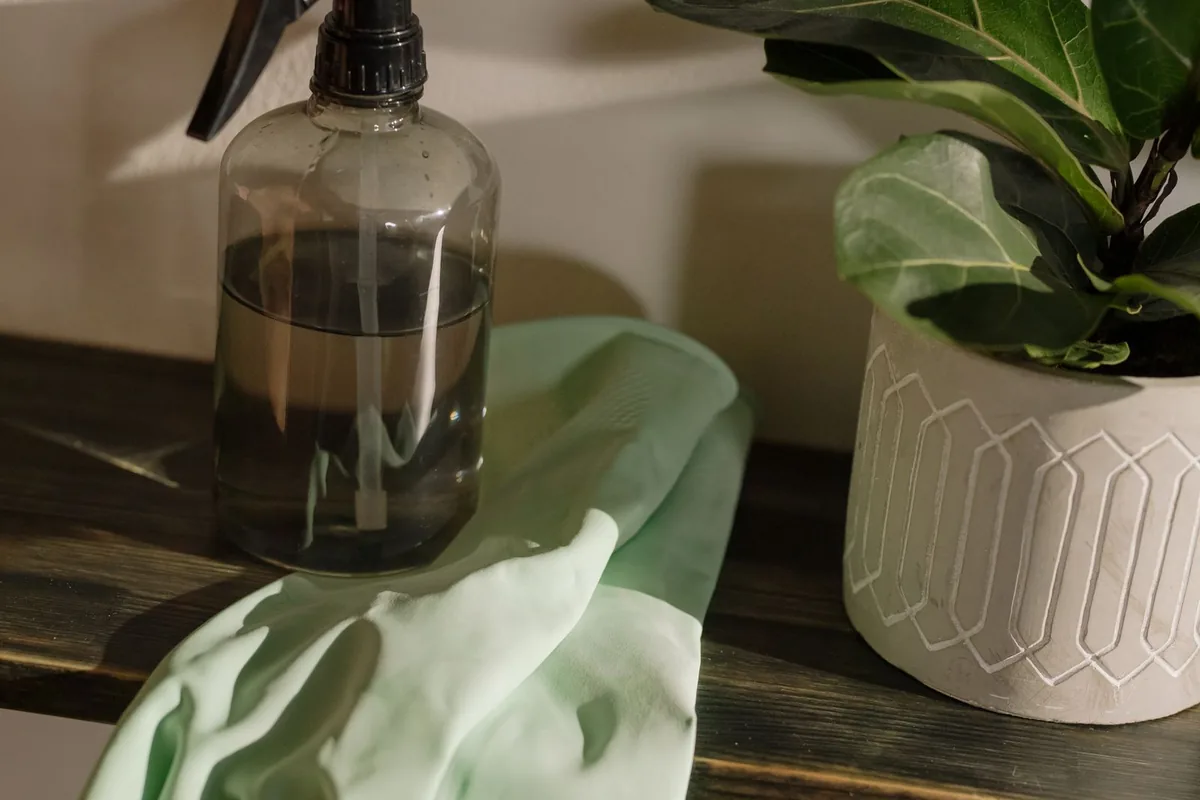
OSHA bloodborne pathogen protocols, full PPE, EPA-registered disinfectants and lawful biohazard waste disposal on every job.
Photos, documents, jewelry and keepsakes are set aside for the family whenever they can be safely saved.
Calls are answered day and night. Crews arrive in unmarked vehicles and work quietly, so neighbors are not told what happened.
A final inspection, with odor and surface checks where they help, confirms the area is safe before the cleanup is called complete.
Biohazard cleanup in Pacific, MO typically costs $500 to $25,000, depending on the type of biohazard, the size of the affected area and how far fluids soaked into porous materials.
Most residential jobs cost $3,000 to $5,000 (Fixr). Biohazard cleanup is priced by the work that is needed, not by a flat rate that fits every home. The cleanup team explains the cost range after hearing what happened, then confirms the scope during the walkthrough.
| Type of job | Typical range |
|---|---|
| Blood spill cleanup, small area | $500 - $2,500 |
| Crime scene cleanup, most homes | $1,500 - $7,500 |
| Unattended death cleanup | $2,000 - $7,000 |
| Suicide cleanup | $1,500 - $5,500 |
| Sewage cleanup, most homes | $2,000 - $10,000 |
| Hoarding cleanup, level 3 home | $2,000 - $5,000 |
| Meth lab cleanup, typical | $15,000 - $20,000 |
Estimates only, not a quote. Sources: Fixr, Yelp Costs, BioCleaners Directory, PushLeads, Dropcurb, Bob Vila and cleanup company cost guides. Call (877) 812-4220 to talk through the job.
An average July high of 88 degrees in Pacific speeds up decomposition after a death. The sooner the scene is released and cleaned, the less the odor and fluids spread.
Homes, churches and businesses may need infectious disease disinfection, needle and sharps cleanup, or meth lab and fentanyl decontamination after a property is released.
Families should never have to clean up after a suicide. Discreet suicide cleanup removes all traces with care and respect. Crisis support is available any time at 988.
With a vacancy rate of 7% in Franklin County, empty buildings can collect animal waste, drug paraphernalia and storm damage that nobody sees until later.
Offices, shops, churches and other public spaces may need cleanup after an injury, illness outbreak or break-in. The work is planned around staff, customers and reopening dates.
Attics, barns and sheds can hold droppings, guano and carcasses that carry disease. Careful removal and disinfection protect the people who go back in.
Knowing the basic types and job sizes makes the first phone call easier. Describe what happened and where, and a cleanup specialist can tell you which category the job likely falls into.
Many policies do cover cleanup after a death in the home, but some exclude certain causes or situations. Read the policy or ask the insurer which parts apply. Call the insurance company before cleanup starts, and keep photos and receipts for the claim.
Respirators, gloves, face protection, boot covers and disposable suits make up the usual personal protective equipment (PPE). It is put on before entering the work area and disposed of as contaminated waste afterwards.
Yes, when the source is removed and treated. The crew takes out the contaminated materials, disinfects the surfaces, and uses HEPA air scrubbers and hydroxyl or ozone equipment to clear the air, rather than masking the smell.
Most biohazard clean up jobs take one to three days. A small blood spill can be finished in a few hours, while an unattended death with decomposition, a hoarder house or a meth lab can take a week or longer.
Usually it is better not to. The affected area is sealed off, odor and chemicals may be present, and the work is easier to do safely with people and pets elsewhere. The crew can say what is safe for your situation.
Describe what happened, where it is, how big the area is and whether police have released the scene. Mention any insurance claim, pets, valuables or access issues. The more detail you share, the clearer the plan and cost range can be.
The census figure for older adults living alone in Pacific is 42%, above the Missouri average. When someone lives alone, a death can go unnoticed for days, and that leads to unattended death cleanup.
The nearest emergency room is Ssm St Clare Health Center in Fenton, about 16 miles from Pacific. In any emergency, call 911 first. Cleanup waits until people are safe.
Nearby towns such as Gray Summit and LaBarque Creek are part of the Pacific service area. Property owners in Franklin County can call (877) 812-4220 for biohazard removal at any hour.
A cleanup specialist is ready to talk it through whenever you are.
Call (877) 812-4220